
An Introduction to Oscar Wilde
A guide to the Irish playwright, poet and essayist for readers meeting his work for the first time, with a suggestion on where to begin.
Oscar Fingal O'Fflahertie Wills Wilde was an Irish author, poet and playwright. He wrote in several different literary styles through the 1880s before becoming one of the most popular and influential dramatists in London in the early 1890s. He was a central figure in the Aestheticism movement of the late nineteenth century, and he is widely regarded as the greatest playwright of the Victorian era.
For a reader coming to Wilde for the first time, the useful thing to know is that his name attaches to work of quite different kinds. There are the stage comedies, sharp and social. There are the fairy tales, written with a slow, ornamented beauty. There are the essays and lectures on art and culture. And there is the poetry. This library holds examples of each, so it is worth knowing what you are choosing between before you pick one up.
What he wrote
Wilde is best known for his epigrams, his plays, and his bedtime stories for children. That combination tells you a good deal about the range. The same writer produced polished comedies of manners for the London stage and delicate, morally serious tales meant to be read aloud to a child. He is also known for his Gothic novel and, separately, for his criminal conviction in 1895.
The plays in this collection are drawing-room comedies that turn on secrets, reputation and the double standards of Victorian society. Lady Windermere's Fan follows a wife who suspects her husband of an affair and is drawn into questions of morality and social judgment. A Woman of No Importance works over similar ground, examining class and morality through the consequences of a woman's past. Both reward a reader who enjoys watching manners and hypocrisy pulled apart on stage.
Beyond the plays
If your interest runs to Wilde's ideas rather than his stagecraft, the Essays and Lectures gather his critical and public writing on art, aesthetics and culture. The Selected Prose, compiled with material from his literary executor Robert Baldwin Ross, collects his prose beyond the plays and poetry and suits a reader who wants his essays at greater length. The Selected Poems offer a way into his verse for anyone curious about him as a poet rather than a dramatist.
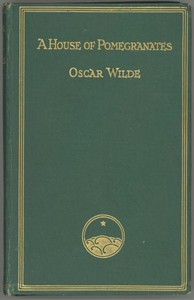
A House of Pomegranates is a distinct pleasure of its own: four literary fairy tales written in richly poetic prose, turning on beauty, sacrifice and morality. These are not simple children's stories in tone, and they show the ornamental, deliberate side of Wilde's writing at its fullest.
Where to start
A newcomer is best served by one of the comedies, because they carry Wilde's wit and his eye for social hypocrisy in the most immediately enjoyable form, and because a play moves quickly. Lady Windermere's Fan is a good first door. It has a clear situation, a wife who suspects her husband, and a plot that opens straight into Wilde's favourite subjects of morality, reputation and the judgment of society, without asking any prior knowledge of him.

From there the path branches naturally. A reader who enjoys the comedy can move to A Woman of No Importance for more of the same social satire. A reader taken with Wilde's prose style can turn to the fairy tales in A House of Pomegranates, and one drawn to his thinking can go on to the Essays and Lectures or the Selected Prose. Whichever way you go, starting with a play gives you the quickest sense of why he was so admired in his own time.
The books, free to read
More from the reading desk
Browse all →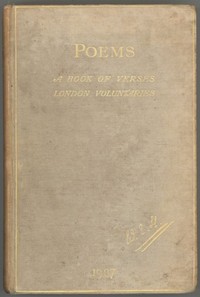
William Ernest Henley's Poems: A Reader's Orientation
A poetry collection whose long opening sequence is set inside a hospital, followed by songs, sketches, and a run of ballades.
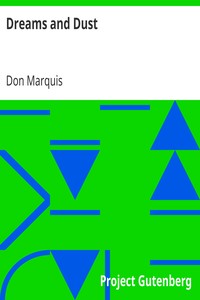
Dreams and Dust: Don Marquis in a Grave Mood
A collection of poems that swings between war reportage, metaphysical doubt and mannered ornament, rewarding patience more than casual reading.
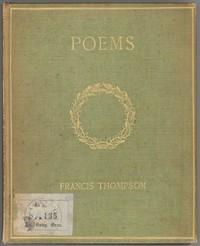
Seven Books from the Poetry Shelf
A reading list of seven poetry collections and long poems from the XtreamFm Library, from Shakespeare's narrative verse to Eliot's fragmented modern city.
Empire, Settlement, and Self-Government: A Reading List for Independence Day
Eight books from the collection, read in a line that runs from the machinery of empire to the arguments a new nation makes for itself.